




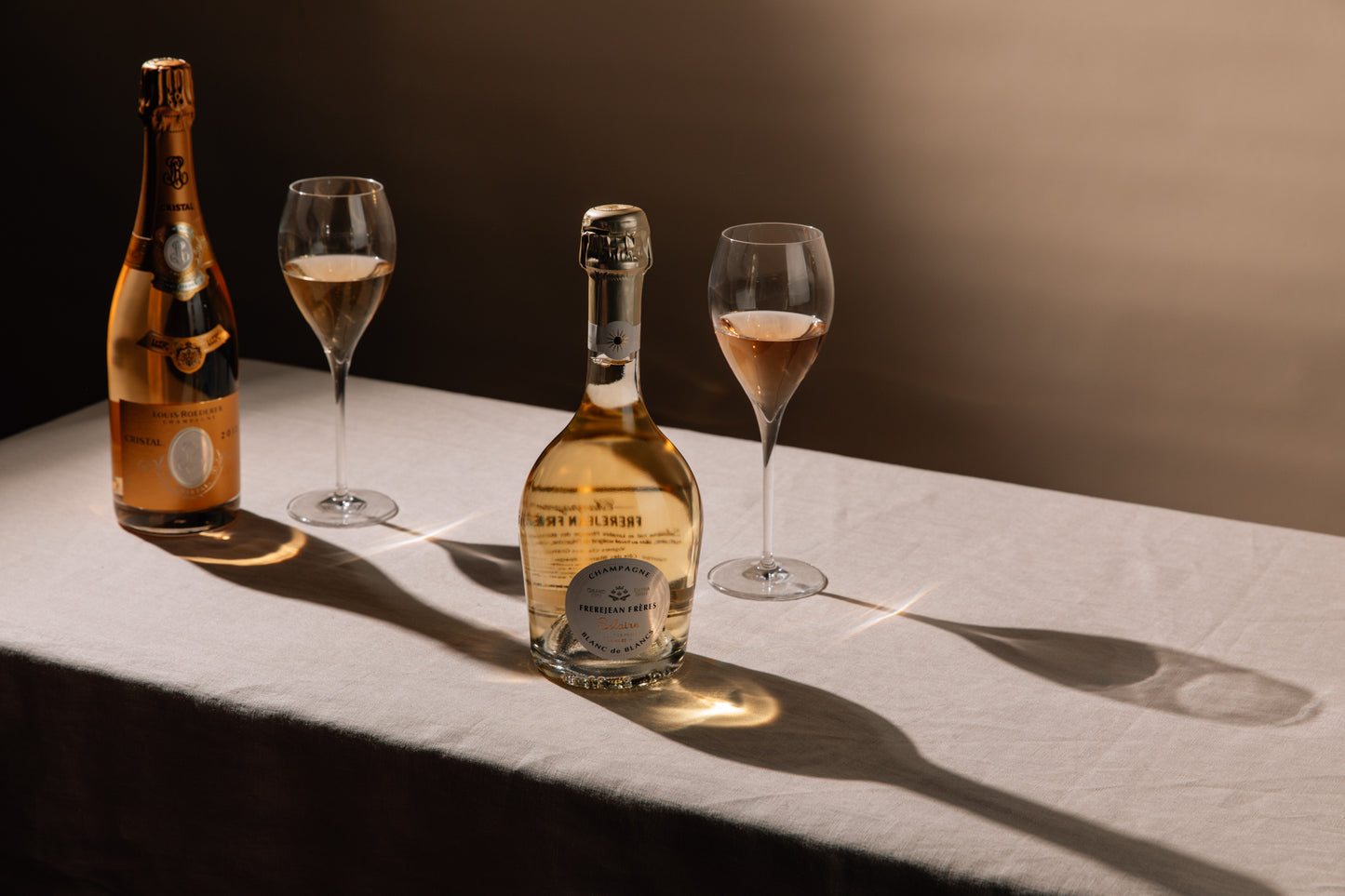




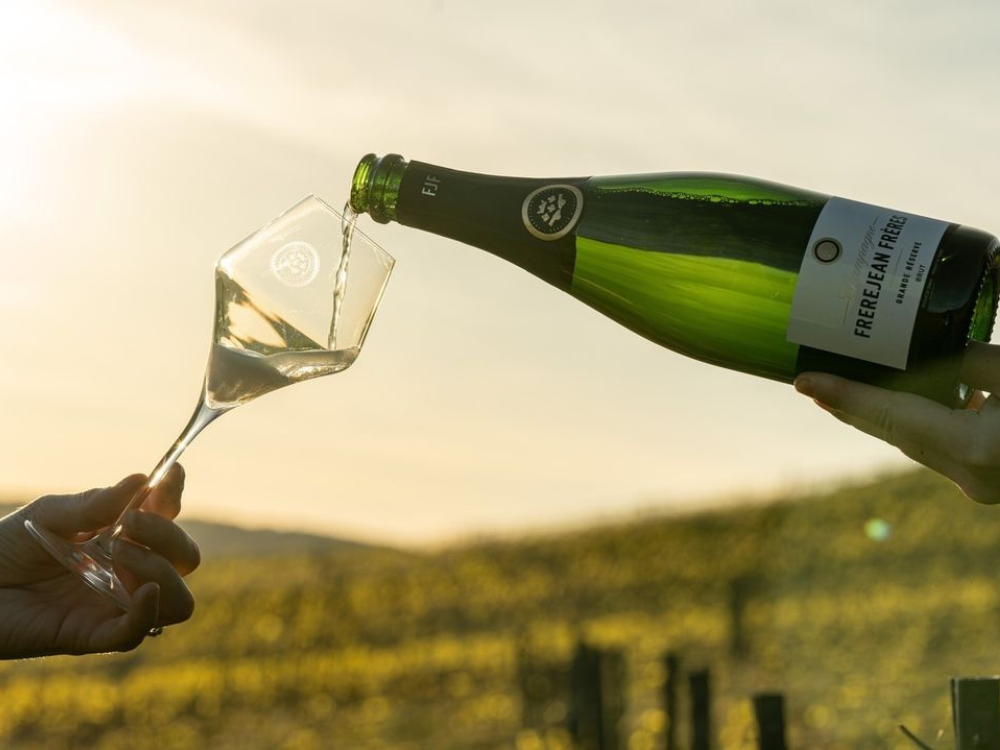


Walk into any top wine bar in Paris, New York or Melbourne and ask the sommelier what they're drinking on their night off. Chances are the answer won't be one of the famous names. It will be a grower champagne.
Houses versus growers
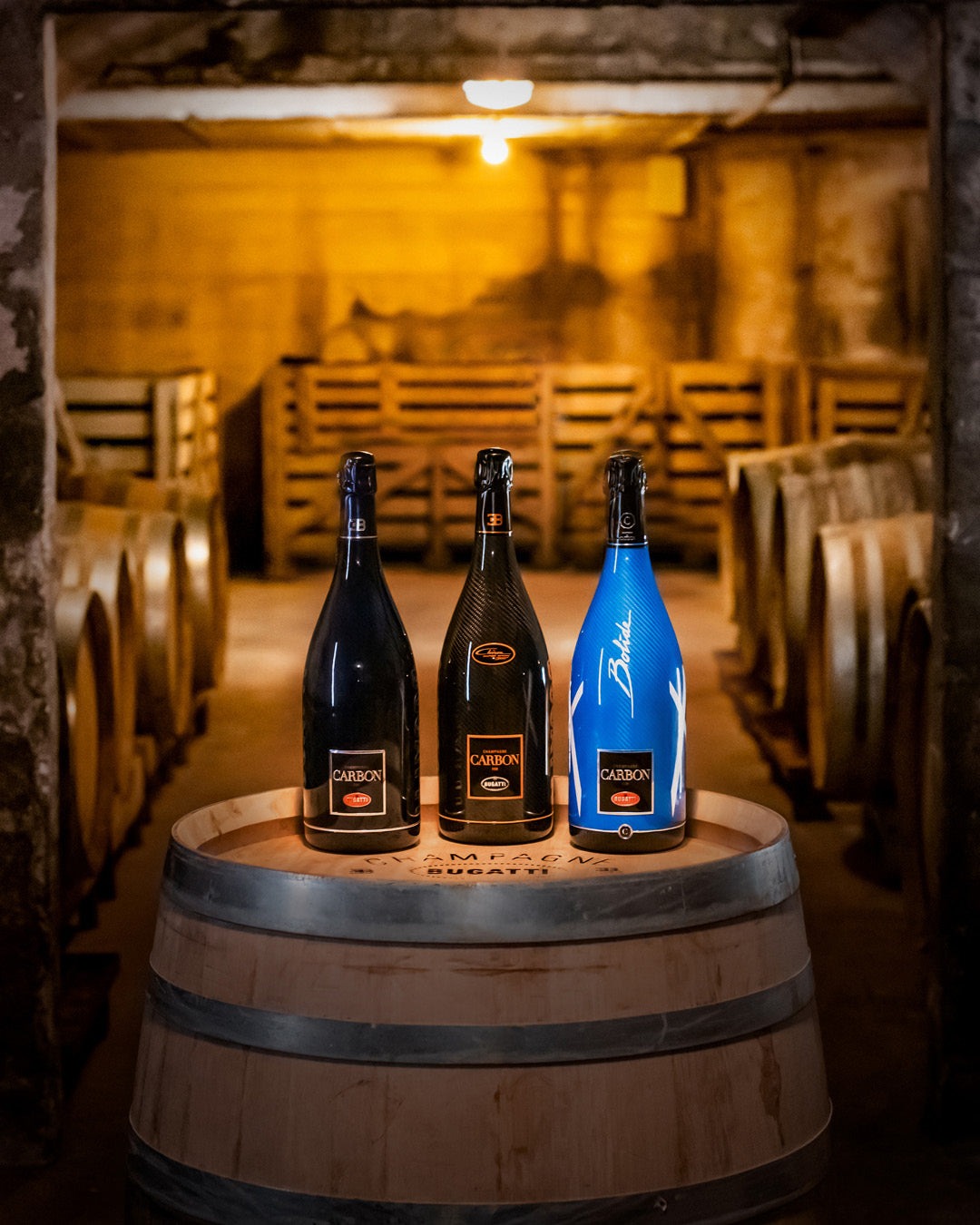
Most champagne you see on shelves is made by the large houses, or maisons. These houses own some vineyards, but they buy most of their grapes from thousands of independent farmers across the region. They then blend those grapes into a consistent house style that tastes the same year after year.
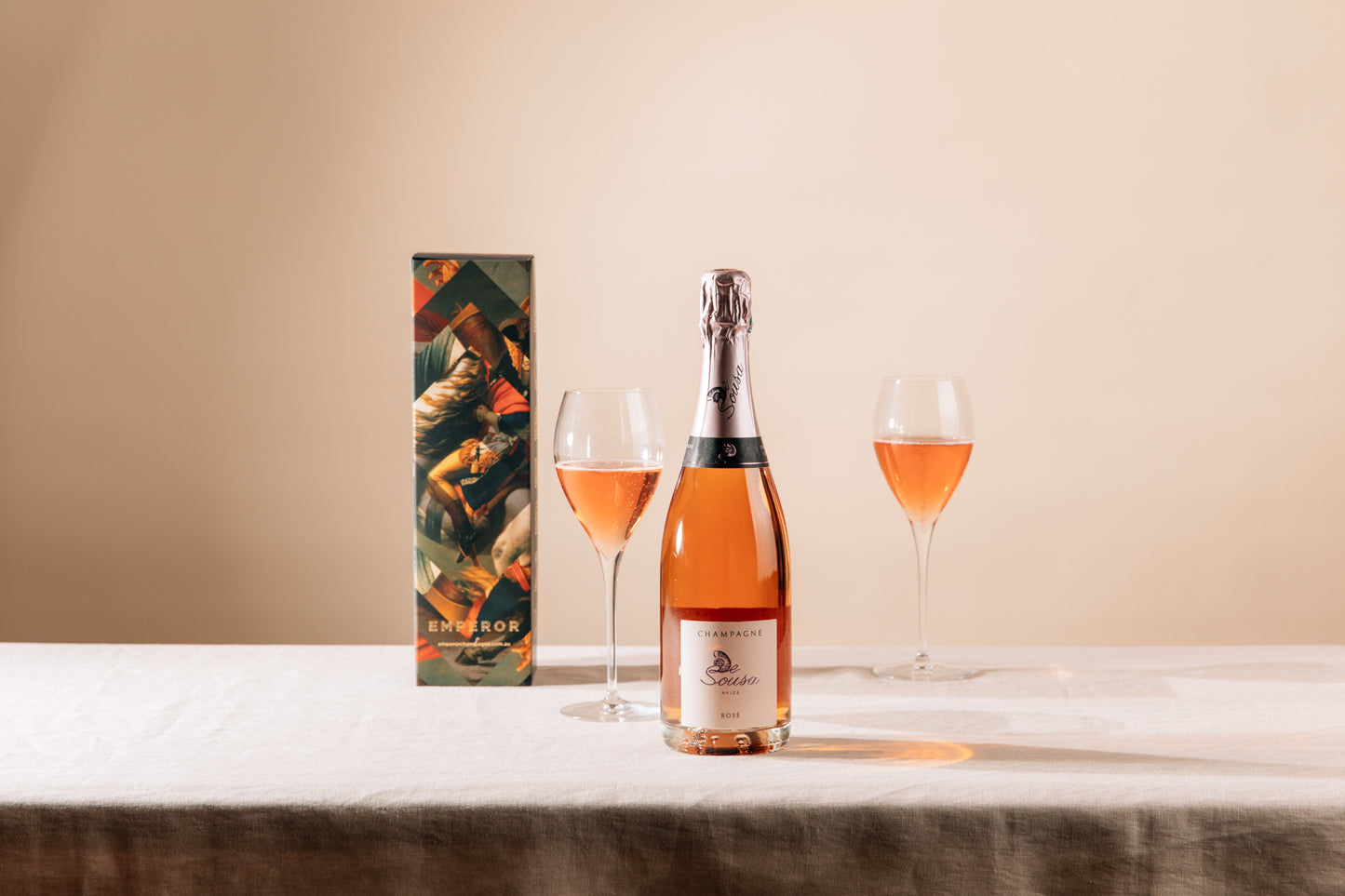
Grower champagne flips this model. A grower tends their own vines, picks their own grapes and makes, ages and bottles the champagne themselves, all under their own name. The farmer and the winemaker are the same person, and often the same family has worked the same plots for generations.
Why it tastes different
Because a grower works with a small number of vineyards, often in a single village, their champagnes tend to show a strong sense of place. Where a big house blends to smooth out differences, a grower usually celebrates them. You'll taste the chalk of the Côte des Blancs, the generous fruit of the Montagne de Reims or the spice of the Vallée de la Marne.
Many growers also work in a more hands-on way: lower yields, organic or biodynamic farming, minimal intervention in the cellar and lower dosage. The result is champagne with character, and every bottle tells you something about where it came from.
How to spot grower champagne on the label
Look for the small code printed on the label, usually near the bottom:
RM (Récoltant-Manipulant) means the grower made the champagne from their own grapes. This is the classic grower champagne.
NM (Négociant-Manipulant) means a house that buys grapes, which covers most of the big brands.
CM (Coopérative-Manipulant) means a cooperative of growers who pool their grapes and make champagne together.
If you see RM, you're holding a grower's work.
Is grower champagne better?
Not necessarily better, but different. The great houses make superb, reliable champagne, and a consistent house style is a real achievement. Grower champagne offers something else: discovery. It's for the drinker who wants to taste the difference between villages, vintages and families, and who enjoys finding a bottle their friends haven't heard of.
It can also be excellent value. With no global marketing budget to fund, many growers offer extraordinary quality for the price.
Where to start
Our Cult Growers collection brings together some of the most exciting small producers in Champagne, many of which are rarely seen in Australia. If you love purity and terroir, also explore our Artisanal, Organic and Biodynamic ranges.
Want a new grower discovery delivered regularly? The Emperor Club is the easiest way to taste your way through Champagne's best-kept secrets.
Frequently asked questions
Is grower champagne real champagne?
Yes. It comes from the Champagne region and follows the same strict rules as every other champagne.
Is grower champagne more expensive?
Not always. Many growers offer outstanding quality at prices well below the prestige cuvées of the big houses.